GUEST BLOG: You are dating your interviews


A good media interview starts with preparation. But as podcasts and more informal conversations reshape the interview format, are spokespeople being prepared for the experience they’ll actually have? In this guest blog for Firefly, journalist, media trainer and Near Futurist host Guy Clapperton explores why familiar techniques need a rethink—and how answering the question can be more effective than steering around it.
You want your spokespeople in the press, you need them to rehearse their arguments with a journalist. So your PR company either has people in house or if they’re clever they get someone like me in (OK, OK, that’s clear vested interests, many PR companies have ex-journalists in-house too).
But there can be a problem.
I’m a media trainer but I’m also a podcaster – my “Near Futurist” show is an interview show and I release 12 episodes a year. It often goes very well, with a large number of people preparing and for all I know taking external training on their interview techniques.
Unfortunately, many of them will have been trained by ex-journalists. And a subset of these, by no means all, are still thinking like the journalist they were in 2020. I agree that’s not a long time ago but the media landscape has changed. They were around already but there is now a serious business in these “podcast” things.
New structures
The older style “Ten minutes on the Today programme” interview is still important, not least when you happen to be on the Today programme courtesy of the efforts of your PR experts.
But something else is moving.
Recently – by which I mean over the last ten years or so and more popularly over the last half-decade – podcasts have not only been established but, crucially, they’re seeping into other cultures. Examples are available in the entertainment sphere; many readers will have watched “The Traitors” this year on the BBC. A subset of those will have watched the “visualised podcast” with Ed Gamble, “Traitors Uncloaked”, which was scheduled for 30 minutes on TV after the main programme.
Now take a step back and look again. It’s a podcast but it’s visual and it’s scheduled…but its broadcaster insists it’s a podcast. Why? The answer has to be in the relatively unstructured nature of the conversation with the host and with each other; it sounds more like a chat so it’s a podcast (also it’s aimed at the younger demographic so there’s a marketing choice in there too). But you’re not going to talk about TV shows so you might wonder why this matters.
Shifting landscape
The reason what we might call ‘podcast TV’ is in the process of making a difference to you is that a generation of under-35s – so old enough to have the word “senior” in their job title – is becoming accustomed to tuning into a talk-based TV programme, even on a traditional, scheduled channel, and finding it to be more like an informal podcast than anything else.
A generation – soon – is going to listen to the older-style interviews that we now think of mainstream and think they’re a bit quaint. Once the BBC had all of its newsreaders in full dinner dress; those bulletins that survive in the archives look unbelievably dated now. Mainstream news bulletins aren’t going to go completely the same way anytime soon but they’re going to start creaking a bit.
It’s already begun. Without getting party political, recently-installed prime minister Andy Burnham has been getting either bouquets or brickbats (depending on how appropriate you think it is) for his nattering-in-the-pub podcast style social media entries. This will make a difference to many interviews.
Rules needing tweaking
I’ve been telling clients to take three messages into their interviews, also to be prepared to use a mechanical technique called “bridging” to pivot from a journalist’s question to a topic with which they’re more comfortable for decades. There is still mileage in it but the informality of the more modern setting leads people to expect a bit more authenticity.
Increasingly, a straight answer is the best option. It always was but people were worried about an audience only remembering one thing; they’re becoming used to a more nuanced, authentic chat now (social media behaves differently but that’s for another time). So before, asked about declining financial performance, you might have said something like: “Financial issues always fluctuate – what our clients are telling us is that our new investment in jelly babies is working for everyone,” that’s straightforward acknowledge, bridge and continue; a better version now might be “Yes, it’s tough and we’ve been hit. So has everyone else, haven’t you? [host will probably say something] Tell you what, this jelly baby promo we’ve done has been brilliant, do you like jelly babies..?”
The trick basically is to answer the question and move on rather than try to duck it. And above all to remember you’re being interviewed in 2026 and shortly 2027; the style and techniques you learned in 2018 are getting a bit creaky.
And if your media trainer hasn’t noticed how things have changed, find one that has!
Sign up to our weekly and monthly reads
Receive our weekly roundup of the top technology and business media stories and reputational advice as well as our insightful views on topics in the communications and technology space.

 01.10.2026
Why your company’s messaging deserves more time than you think
 01.10.2026
The conversations that happen before the statement
 06.07.2026
CEOs should take a hint from influencers
 06.07.2026
Why the summer PR slowdown is a myth
 18.06.2026
A poor reputation can dull even the grandest of occasions
 07.05.2026
The rise of community influence
 07.05.2026
The PR accelerants behind fast-growth companies
 11.03.2026
Five Steps to Shaping Your Reputation Strategy
 11.03.2026
Brands need to be looking beyond International Women's Day
 11.03.2026
Here's what the Inside PR 2026 Report tells us about the state of the industry
 19.01.2026
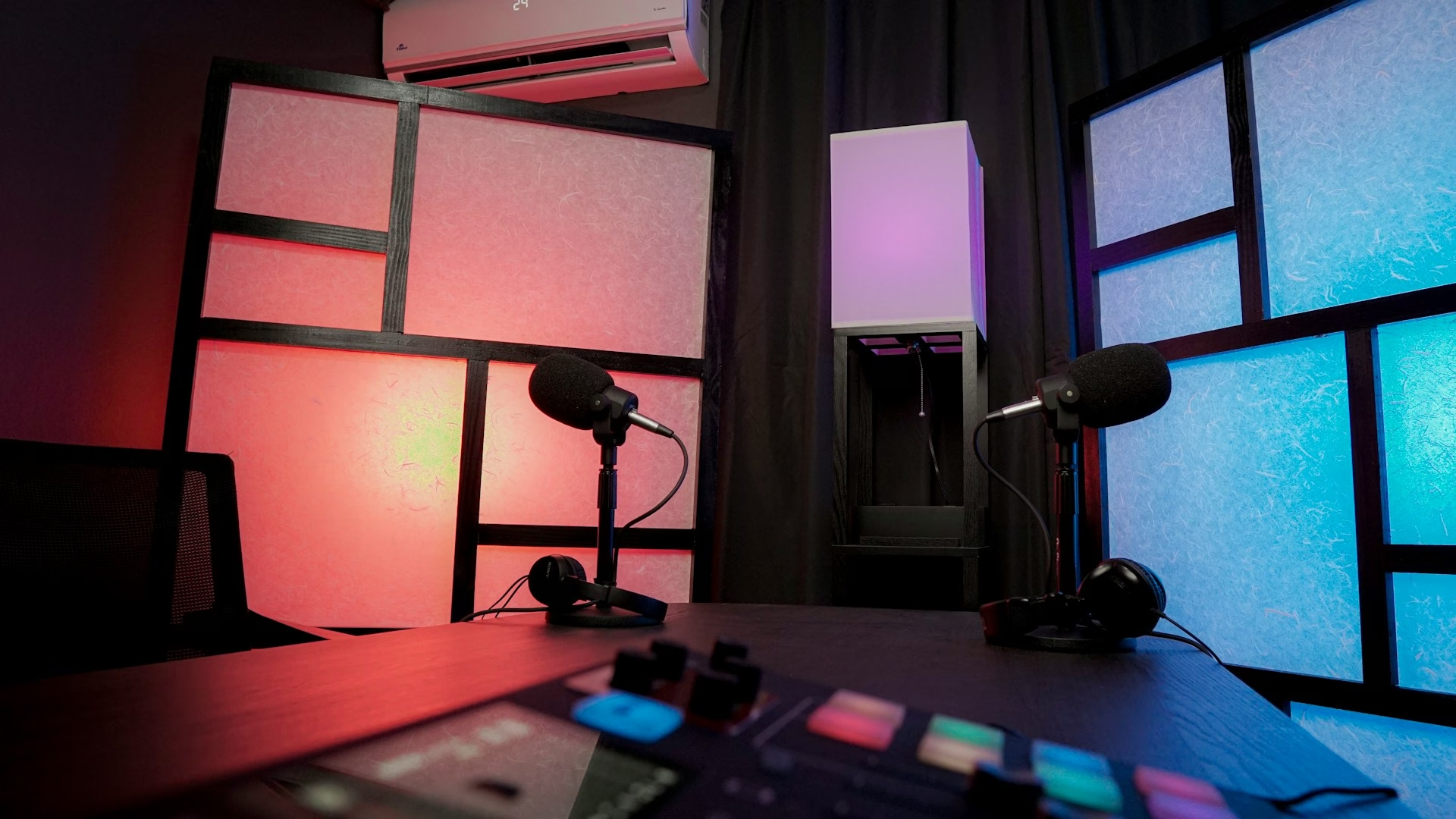
Video revived the radio star
 19.01.2026
How to truly own the narrative
 19.01.2026
Why you should never underestimate a comms professional
 17.11.2025
The Christmas ad season has arrived - and it’s telling us something important
 17.11.2025
Four shifts shaping PR in 2026
 17.11.2025
How PR in Europe really works
 15.10.2025
Smarter, safer, or just louder? How AI comms must change in 2026
 15.10.2025
Why every company needs a crisis communications handbook
 15.10.2025
How to write a PR brief that gets results in 2026
 05.09.2025
The deeply human joy of puzzles – and what it means for communicators
 21.07.2025
When AI eats itself, what’s the future of content?
 21.07.2025
Salt in the wound – When storytelling crosses a line
 21.07.2025
What we’re loving this summer for tech PRs
 13.05.2025
What a celebrity space flight taught us about PR
 13.05.2025
Generative Engine Optimisation: The PR-led discipline reshaping brand visibility
 13.05.2025
Is the future faceless leadership?
 12.02.2025
Cancelled? There’s Cover for That
 12.02.2025
The year of the uncomplicated
 22.11.2024
My first encounter with an AI hallucination
 25.10.2024
Why AI won’t be taking over from PR
 25.10.2024
Building a strong reputation in Europe – a comms checklist
 23.07.2024
Strategic PR planning – how to prepare for the summer slowdown
 22.05.2024
Is VR growing up?
 30.04.2024
Spokespeople – navigating the social media tight rope
 20.03.2024
Does cybersecurity have a comms problem?
 12.03.2024
Setting Sail: Navigating the Business Seas with Reputation
 02.03.2024
Avoiding the pitfalls of impulsive PR
 04.02.2024
From potato to progress: Addressing communication breakdowns
 02.12.2023
Realistic Resolutions that Stick
 18.10.2023
The powerful comms combo between strategy and creativity
 06.10.2023
The Rise of the Tech “LinkedInfluencer”
 08.02.2023
Is the de-influencer movement another reputational hazard?
 02.02.2023